How can untreated water damage affect your home?
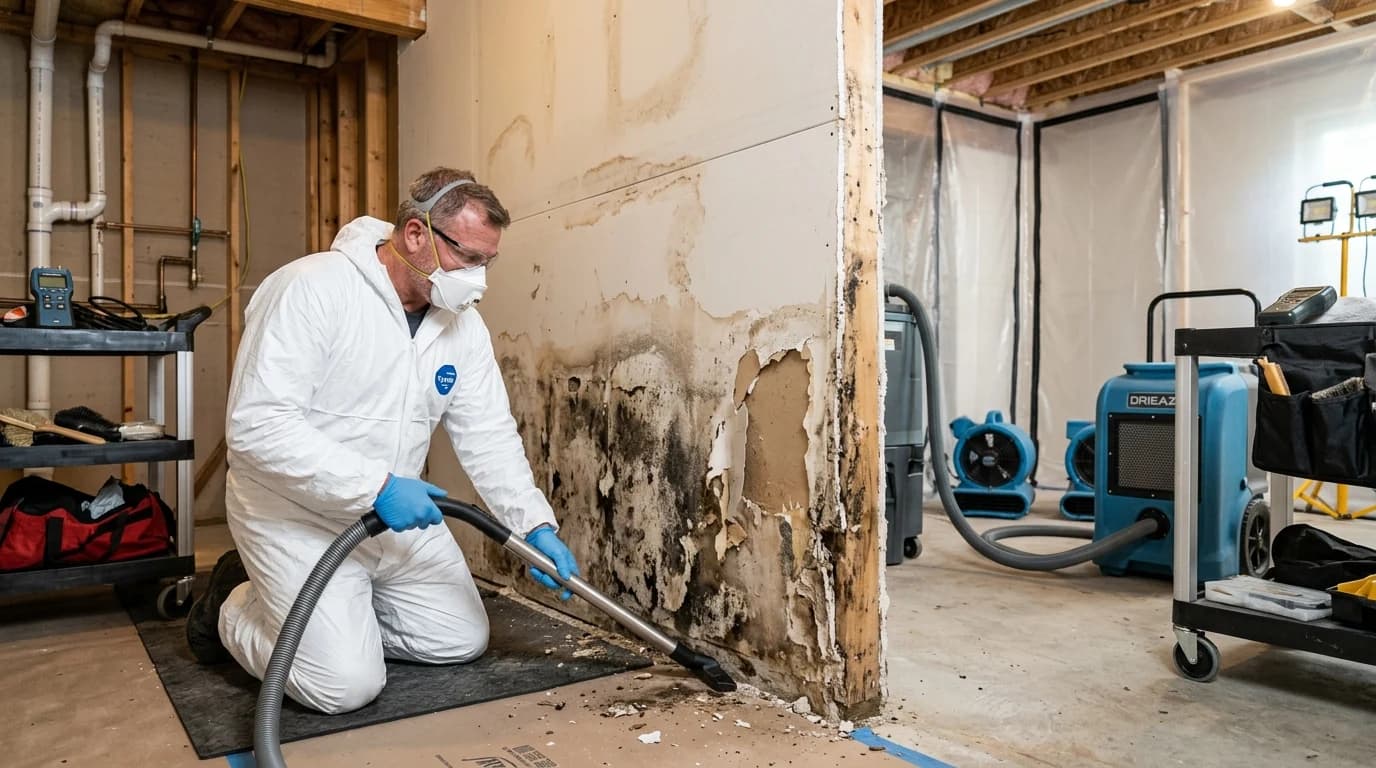
Untreated water damage can compromise the structural integrity of your home. Over time, water can weaken foundational elements, causing wood rot and deterioration. This can lead to structural failures, such as sagging floors and compromised walls, which become costly to repair. In Saddle River, where homes are valuable investments, ignoring water damage can significantly decrease property value. Regular maintenance and prompt action are essential to avoid these long-term issues.
The process begins when water infiltrates materials like wood, drywall, and insulation. These materials absorb moisture, leading to swelling and warping. Over time, this continuous exposure can cause wooden beams and supports to rot, compromising the structural framework of the house. In severe cases, the foundation itself can be undermined if water damage is not addressed, leading to potential foundational cracks or shifts.
Moreover, untreated water damage can also affect the aesthetics of your home. Water stains on ceilings and walls, peeling paint, and bubbling wallpaper are not just unsightly but also indicators of deeper issues. These visual signs can deter potential buyers, decreasing your home's market value. It is crucial to conduct regular inspections, especially after heavy rains or snowmelts common in NJ, to catch any early signs of water damage.
The process begins when water infiltrates materials like wood, drywall, and insulation. These materials absorb moisture, leading to swelling and warping. Over time, this continuous exposure can cause wooden beams and supports to rot, compromising the structural framework of the house. In severe cases, the foundation itself can be undermined if water damage is not addressed, leading to potential foundational cracks or shifts.
Moreover, untreated water damage can also affect the aesthetics of your home. Water stains on ceilings and walls, peeling paint, and bubbling wallpaper are not just unsightly but also indicators of deeper issues. These visual signs can deter potential buyers, decreasing your home's market value. It is crucial to conduct regular inspections, especially after heavy rains or snowmelts common in NJ, to catch any early signs of water damage.
What are the health risks associated with untreated water damage?
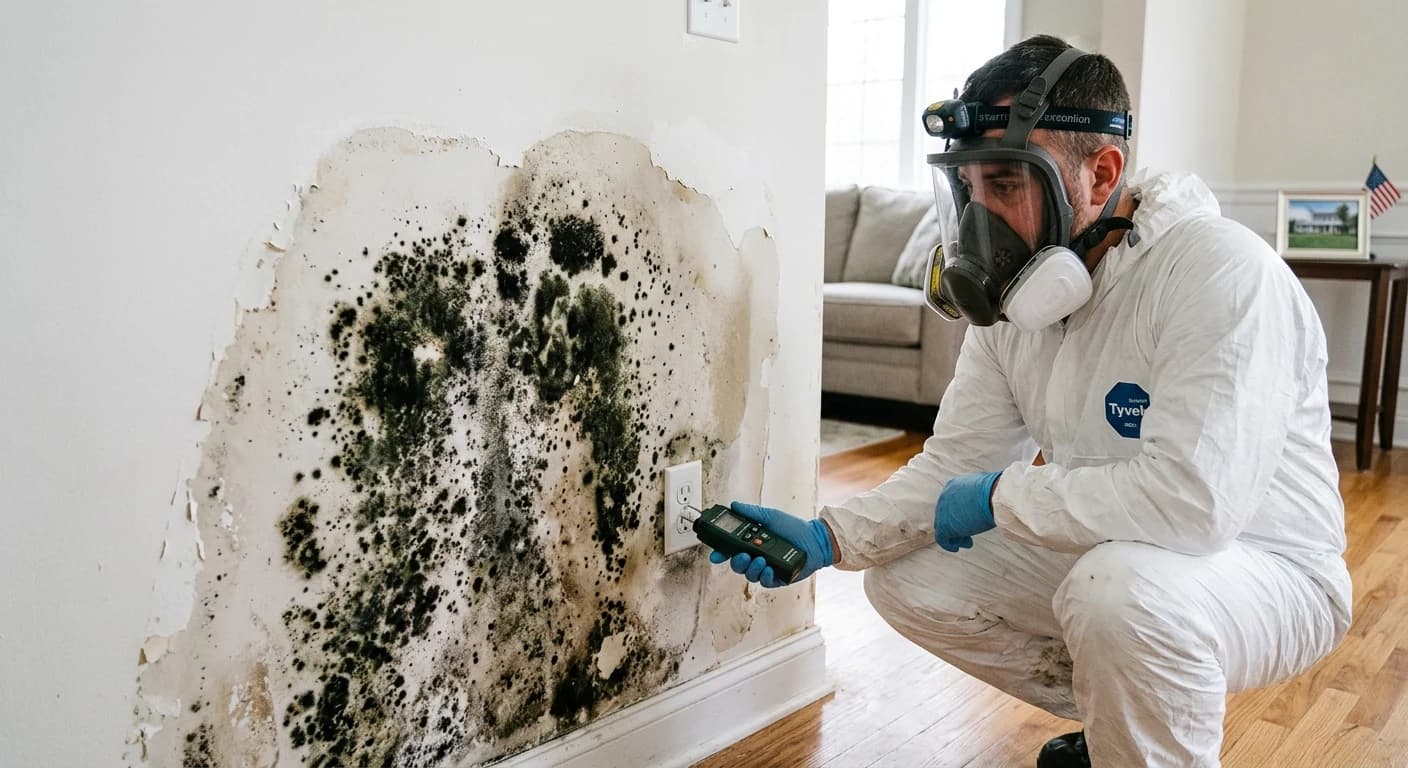
Water damage, if left untreated, can create a conducive environment for mold growth. Mold spores can spread quickly, posing serious health risks, especially to those with allergies, asthma, or compromised immune systems. Symptoms can range from mild respiratory issues to severe allergic reactions. In NJ, where humidity levels can be high, controlling moisture and addressing water damage promptly is crucial to maintaining a healthy living environment. Contact us for professional mold remediation.
Mold thrives in damp, dark environments and can begin to grow within 24 to 48 hours after water exposure. The health implications of mold exposure are significant. For individuals with sensitivities, mold exposure can lead to symptoms such as sneezing, coughing, skin rashes, and throat irritation. More severe reactions include asthma attacks and chronic respiratory issues.
In homes with untreated water damage, mold is not the only concern. The damp conditions can also attract pests such as termites and cockroaches, which are drawn to moisture. These pests can further damage the structural components of your home and pose additional health risks. It's essential to address water damage quickly to prevent these secondary issues from taking root.
Mold thrives in damp, dark environments and can begin to grow within 24 to 48 hours after water exposure. The health implications of mold exposure are significant. For individuals with sensitivities, mold exposure can lead to symptoms such as sneezing, coughing, skin rashes, and throat irritation. More severe reactions include asthma attacks and chronic respiratory issues.
In homes with untreated water damage, mold is not the only concern. The damp conditions can also attract pests such as termites and cockroaches, which are drawn to moisture. These pests can further damage the structural components of your home and pose additional health risks. It's essential to address water damage quickly to prevent these secondary issues from taking root.
Why does untreated water damage increase repair costs?
The longer water damage is left unaddressed, the more extensive and expensive the repairs become. Water can seep into areas not immediately visible, such as behind walls or under flooring, exacerbating the damage over time. This hidden damage often requires more invasive repairs, significantly increasing costs. Preventive measures and early intervention are not only cost-effective but also help preserve the integrity and safety of your home. Regular inspections can help identify potential issues before they escalate.
Water damage can lead to a cascade of related problems. For instance, when water seeps into the subflooring, it can cause the materials to warp and weaken. If left unresolved, this can result in the need for complete flooring replacement, which is a costly and labor-intensive process. In addition, water can corrode electrical wiring, posing a fire hazard and necessitating comprehensive electrical repairs.
Furthermore, untreated water damage can lead to increased energy costs. Moisture can compromise the effectiveness of insulation, leading to higher heating and cooling bills as your HVAC system works harder to maintain a consistent temperature. By addressing water damage promptly, homeowners can avoid these escalating costs and maintain their home's efficiency.
In NJ, where seasonal weather changes can exacerbate existing water damage, it's particularly important to stay vigilant. Regular maintenance checks, especially in basements and attics where water damage often goes unnoticed, can prevent minor issues from becoming major, expensive repairs.
Water damage can lead to a cascade of related problems. For instance, when water seeps into the subflooring, it can cause the materials to warp and weaken. If left unresolved, this can result in the need for complete flooring replacement, which is a costly and labor-intensive process. In addition, water can corrode electrical wiring, posing a fire hazard and necessitating comprehensive electrical repairs.
Furthermore, untreated water damage can lead to increased energy costs. Moisture can compromise the effectiveness of insulation, leading to higher heating and cooling bills as your HVAC system works harder to maintain a consistent temperature. By addressing water damage promptly, homeowners can avoid these escalating costs and maintain their home's efficiency.
In NJ, where seasonal weather changes can exacerbate existing water damage, it's particularly important to stay vigilant. Regular maintenance checks, especially in basements and attics where water damage often goes unnoticed, can prevent minor issues from becoming major, expensive repairs.
How can you prevent water damage in your home?
Preventing water damage in your home requires a proactive approach, focusing on regular maintenance and early detection. One of the most effective strategies is to ensure your home's drainage systems are functioning properly. Clean gutters and downspouts regularly to prevent blockages that can lead to water overflow and seepage into your home’s foundation. Additionally, grading the soil around your home to slope away from the foundation can help direct water away, minimizing the risk of basement flooding.
Inside the home, regularly inspect plumbing fixtures and appliances for leaks or signs of wear. Replace old hoses on washing machines and dishwashers, and check under sinks for moisture or mold, which can indicate slow leaks. Installing a sump pump in the basement can also be a valuable investment, especially in areas prone to heavy rainfall or flooding.
Moreover, consider installing water leak detectors in high-risk areas like basements, bathrooms, and kitchens. These devices can alert you to leaks before they cause significant damage. Regularly checking your roof for missing or damaged shingles can prevent water from entering through the attic, which is a common source of water damage. By staying vigilant and addressing minor issues promptly, you can prevent water damage and protect your home’s value and safety.
Inside the home, regularly inspect plumbing fixtures and appliances for leaks or signs of wear. Replace old hoses on washing machines and dishwashers, and check under sinks for moisture or mold, which can indicate slow leaks. Installing a sump pump in the basement can also be a valuable investment, especially in areas prone to heavy rainfall or flooding.
Moreover, consider installing water leak detectors in high-risk areas like basements, bathrooms, and kitchens. These devices can alert you to leaks before they cause significant damage. Regularly checking your roof for missing or damaged shingles can prevent water from entering through the attic, which is a common source of water damage. By staying vigilant and addressing minor issues promptly, you can prevent water damage and protect your home’s value and safety.
When should you call a professional for water damage?
Knowing when to call a professional for water damage is crucial to mitigating further damage and ensuring effective restoration. If you experience a significant water event, such as a burst pipe or flooding, it’s important to contact a professional restoration service immediately. These experts have the tools and expertise to assess the extent of the damage, extract water, and begin the drying process efficiently.
For smaller issues, like minor leaks or damp spots, it’s advisable to monitor the situation closely. If you notice persistent moisture, mold growth, or structural changes like warping or sagging, it’s time to call in professionals. They can identify hidden damage that may not be visible to the untrained eye, such as moisture trapped behind walls or under flooring, which can lead to more serious problems if left unaddressed.
Additionally, if you suspect any electrical components have been exposed to water, it’s essential to have an expert evaluate the situation to prevent fire hazards. In NJ, where weather conditions can change rapidly, having a trusted local water damage restoration service on speed dial can save time and prevent extensive damage. Professional intervention ensures that all aspects of water damage are addressed, restoring your home to its pre-damage condition safely and effectively.
For smaller issues, like minor leaks or damp spots, it’s advisable to monitor the situation closely. If you notice persistent moisture, mold growth, or structural changes like warping or sagging, it’s time to call in professionals. They can identify hidden damage that may not be visible to the untrained eye, such as moisture trapped behind walls or under flooring, which can lead to more serious problems if left unaddressed.
Additionally, if you suspect any electrical components have been exposed to water, it’s essential to have an expert evaluate the situation to prevent fire hazards. In NJ, where weather conditions can change rapidly, having a trusted local water damage restoration service on speed dial can save time and prevent extensive damage. Professional intervention ensures that all aspects of water damage are addressed, restoring your home to its pre-damage condition safely and effectively.
What are the long-term consequences of untreated water damage?
Leaving water damage untreated can have serious long-term implications for both the structure and safety of your home. Over time, persistent moisture can lead to the weakening of critical structural components, such as beams and joists, which are essential for the stability of the building. This degradation can progress to the point where the structural integrity is compromised, leading to costly repairs or even making the home unsafe to inhabit.
In addition to structural concerns, untreated water damage can contribute to the deterioration of other building materials. For instance, drywall can become soft and crumbly, losing its ability to hold up paint or wallpaper. Carpeting and flooring materials may also begin to rot or warp, necessitating complete replacement. These issues not only affect the aesthetics of your home but can also lead to a significant decrease in property value.
Moreover, the presence of excess moisture can create an environment conducive to the growth of mold and mildew. These fungi can spread throughout the home, affecting indoor air quality and posing health risks to occupants. In NJ, where humidity can exacerbate these problems, it is particularly important to address water damage promptly. Ignoring these issues can lead to a cycle of ongoing repairs and increased maintenance costs, making it imperative to take action as soon as water damage is detected.
In addition to structural concerns, untreated water damage can contribute to the deterioration of other building materials. For instance, drywall can become soft and crumbly, losing its ability to hold up paint or wallpaper. Carpeting and flooring materials may also begin to rot or warp, necessitating complete replacement. These issues not only affect the aesthetics of your home but can also lead to a significant decrease in property value.
Moreover, the presence of excess moisture can create an environment conducive to the growth of mold and mildew. These fungi can spread throughout the home, affecting indoor air quality and posing health risks to occupants. In NJ, where humidity can exacerbate these problems, it is particularly important to address water damage promptly. Ignoring these issues can lead to a cycle of ongoing repairs and increased maintenance costs, making it imperative to take action as soon as water damage is detected.
How does untreated water damage impact home insurance?
Untreated water damage can have significant ramifications on your home insurance policy and claims. Most standard homeowner's insurance policies cover sudden and accidental water damage, such as that from a burst pipe. However, they typically exclude coverage for damage resulting from neglect or lack of maintenance. This means that if water damage is left untreated and results in further issues, your insurance provider may deny claims related to the damage.
Insurance companies expect homeowners to take reasonable steps to prevent damage and address issues promptly. If water damage is discovered and not repaired in a timely manner, it can be considered negligence, leaving you responsible for the full cost of repairs. This can be a substantial financial burden, especially if the damage has escalated due to inaction.
Furthermore, repeated claims for water damage, even if covered, can lead to increased premiums or difficulty in renewing your policy. Insurance companies view frequent claims as a risk factor, which can affect your insurability in the future. To avoid these complications, it's crucial to address any signs of water damage immediately and maintain thorough documentation of repairs and maintenance. By doing so, you not only protect your home but also ensure that your insurance remains a reliable safety net in the event of future incidents.
Insurance companies expect homeowners to take reasonable steps to prevent damage and address issues promptly. If water damage is discovered and not repaired in a timely manner, it can be considered negligence, leaving you responsible for the full cost of repairs. This can be a substantial financial burden, especially if the damage has escalated due to inaction.
Furthermore, repeated claims for water damage, even if covered, can lead to increased premiums or difficulty in renewing your policy. Insurance companies view frequent claims as a risk factor, which can affect your insurability in the future. To avoid these complications, it's crucial to address any signs of water damage immediately and maintain thorough documentation of repairs and maintenance. By doing so, you not only protect your home but also ensure that your insurance remains a reliable safety net in the event of future incidents.