What are the common signs of water damage?
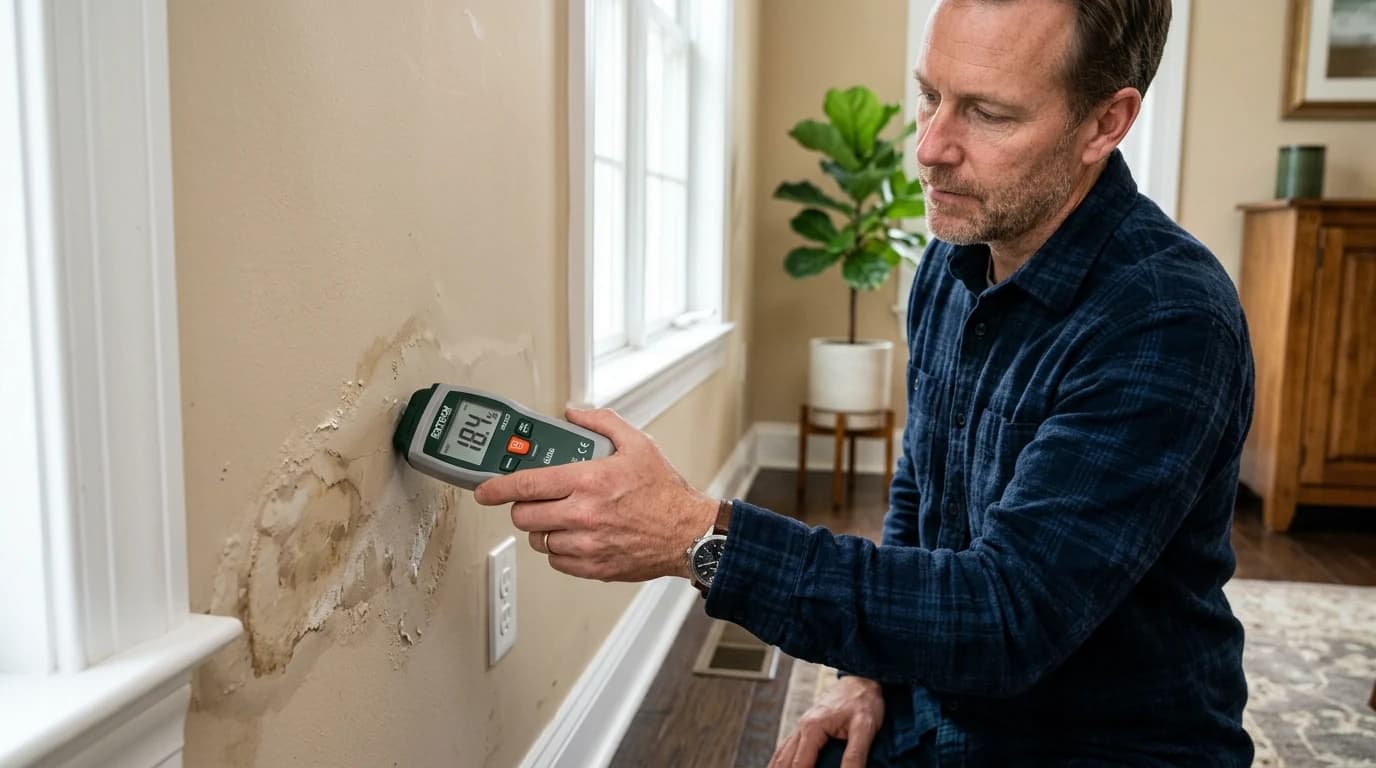
Water damage can manifest in various ways, from discoloration on walls and ceilings to warped floors. Homeowners often overlook small signs like peeling paint, slight musty odors, or minor mold spots, considering them insignificant. However, these can be early indicators of underlying water damage. In a place like Saddle River, where seasonal changes can exacerbate water issues, it's crucial to address these signs promptly. Regularly inspect areas prone to moisture, like basements and attics, for any unusual changes.
Discoloration on walls and ceilings is often the first visible sign of water damage. Stains may appear yellow, brown, or copper-colored and can indicate a leak from above, such as a roof or plumbing issue. Warped floors, another common sign, occur when wood or laminate flooring absorbs water, causing it to expand and buckle. It's essential to pay attention to these changes, as they might suggest a more serious problem underlying the surface.
Additionally, peeling paint or wallpaper can result from prolonged exposure to moisture, leading to loss of adhesion. Even a slight musty odor can indicate mold growth behind walls or under carpets. Mold thrives in damp conditions and can spread rapidly, posing health risks to inhabitants. Therefore, noticing and addressing these signs early can prevent extensive damage and costly repairs. Regular maintenance and vigilance are key, especially in moisture-prone areas of your home.
Discoloration on walls and ceilings is often the first visible sign of water damage. Stains may appear yellow, brown, or copper-colored and can indicate a leak from above, such as a roof or plumbing issue. Warped floors, another common sign, occur when wood or laminate flooring absorbs water, causing it to expand and buckle. It's essential to pay attention to these changes, as they might suggest a more serious problem underlying the surface.
Additionally, peeling paint or wallpaper can result from prolonged exposure to moisture, leading to loss of adhesion. Even a slight musty odor can indicate mold growth behind walls or under carpets. Mold thrives in damp conditions and can spread rapidly, posing health risks to inhabitants. Therefore, noticing and addressing these signs early can prevent extensive damage and costly repairs. Regular maintenance and vigilance are key, especially in moisture-prone areas of your home.
How can moisture meters help in detection?
Moisture meters are invaluable tools for detecting hidden water damage. These devices measure the moisture content in materials, allowing you to pinpoint areas of concern before visible damage occurs. Using a moisture meter, you can check walls, floors, and ceilings for elevated moisture levels. This proactive approach can save you from hefty repair bills by identifying issues early. For a comprehensive inspection, consider contacting professionals who use advanced tools and techniques. Learn more about our services.
There are two main types of moisture meters: pin-type and pinless. Pin-type meters use electrodes to penetrate the surface of the material, providing a moisture reading. These are particularly useful for checking the moisture content of wood or drywall. Pinless meters, on the other hand, use electromagnetic signals to detect moisture levels without damaging the surface. They are ideal for scanning large areas quickly and can be used on a variety of materials, including concrete and tile.
Knowing how to use a moisture meter effectively is crucial. Start by calibrating the device according to the manufacturer's instructions. Then, take multiple readings across different areas to get an accurate assessment of the moisture levels. Remember, even slight variations from the norm can indicate potential issues. By integrating moisture meter checks into your regular home maintenance routine, you can catch problems early, minimizing the risk of severe water damage.
There are two main types of moisture meters: pin-type and pinless. Pin-type meters use electrodes to penetrate the surface of the material, providing a moisture reading. These are particularly useful for checking the moisture content of wood or drywall. Pinless meters, on the other hand, use electromagnetic signals to detect moisture levels without damaging the surface. They are ideal for scanning large areas quickly and can be used on a variety of materials, including concrete and tile.
Knowing how to use a moisture meter effectively is crucial. Start by calibrating the device according to the manufacturer's instructions. Then, take multiple readings across different areas to get an accurate assessment of the moisture levels. Remember, even slight variations from the norm can indicate potential issues. By integrating moisture meter checks into your regular home maintenance routine, you can catch problems early, minimizing the risk of severe water damage.
Why is professional inspection recommended?
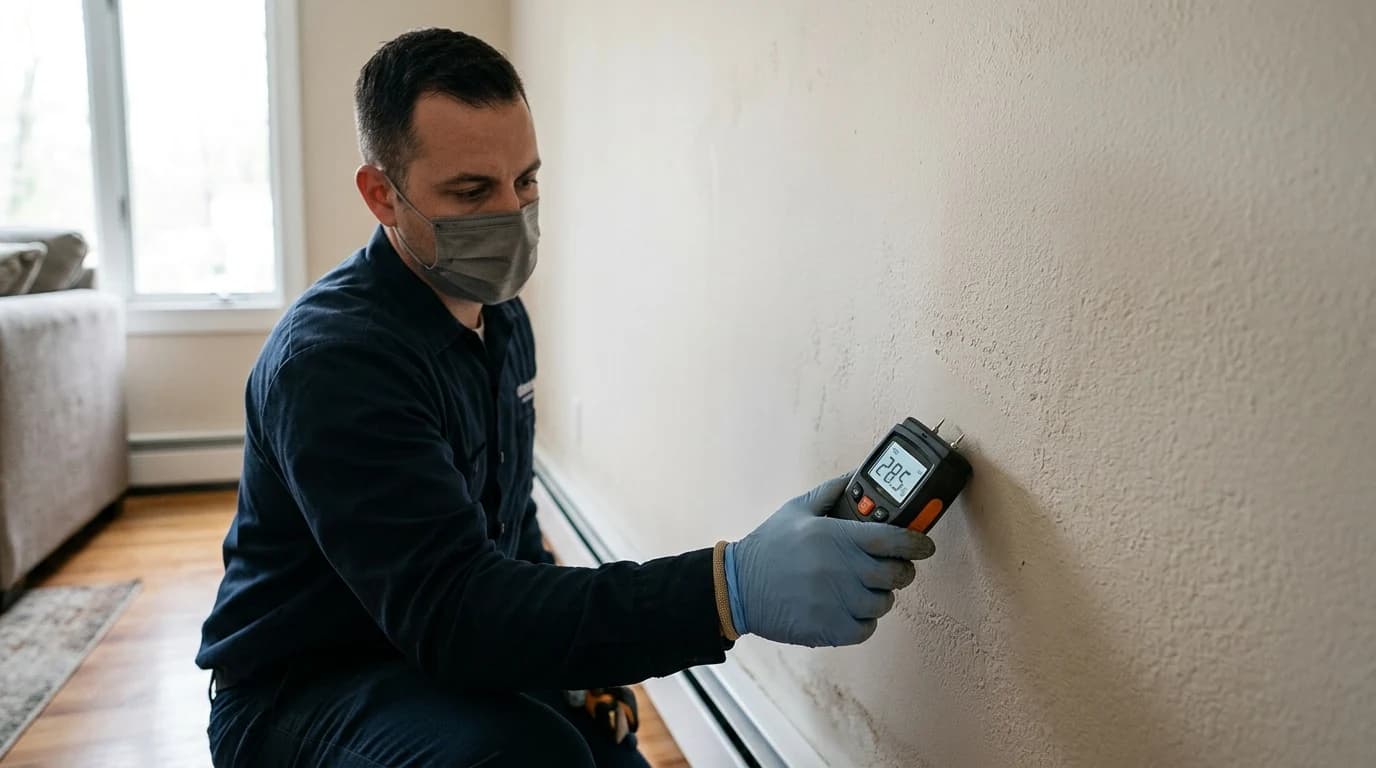
While DIY methods can be useful, professional inspections provide a thorough assessment of potential water damage. Experts have the experience and equipment to detect subtle signs that might escape the untrained eye. Moreover, they can offer guidance on immediate remedial steps and long-term prevention strategies. In Saddle River, where water damage can rapidly escalate due to climate conditions, having a professional inspection annually can be a sound investment in your property's longevity.
Professional inspectors use advanced technology, such as infrared cameras and thermal imaging, to detect moisture hidden behind walls and under floors. These tools can identify temperature variations that often signify moisture presence, helping to locate leaks that are not visible to the naked eye. Furthermore, professionals are trained to recognize signs of structural damage that may result from prolonged water exposure, ensuring a comprehensive evaluation of your home's condition.
In addition to identifying existing issues, professional inspectors can provide valuable advice on preventing future water damage. This might include recommendations on improving drainage around your property, sealing potential entry points for water, and maintaining your home's plumbing and roofing systems. By investing in regular professional inspections, you not only safeguard your home against immediate threats but also enhance its overall resilience against water-related issues. This proactive approach is especially beneficial in areas like Saddle River, where weather patterns can lead to unexpected water challenges.
Professional inspectors use advanced technology, such as infrared cameras and thermal imaging, to detect moisture hidden behind walls and under floors. These tools can identify temperature variations that often signify moisture presence, helping to locate leaks that are not visible to the naked eye. Furthermore, professionals are trained to recognize signs of structural damage that may result from prolonged water exposure, ensuring a comprehensive evaluation of your home's condition.
In addition to identifying existing issues, professional inspectors can provide valuable advice on preventing future water damage. This might include recommendations on improving drainage around your property, sealing potential entry points for water, and maintaining your home's plumbing and roofing systems. By investing in regular professional inspections, you not only safeguard your home against immediate threats but also enhance its overall resilience against water-related issues. This proactive approach is especially beneficial in areas like Saddle River, where weather patterns can lead to unexpected water challenges.
What are the DIY methods to prevent water damage?
Preventing water damage in your home can be manageable with some straightforward DIY methods. Start by regularly inspecting and maintaining your home's exterior. Ensure that gutters and downspouts are free from debris, allowing water to flow away from your foundation. Clogged gutters can lead to water pooling and eventually seeping into your home, causing significant damage over time. Additionally, consider extending downspouts to direct water at least five feet away from your house.
Inside your home, focus on areas prone to moisture. Regularly check under sinks, around toilets, and near water heaters for any signs of leaks. Even small drips can lead to significant damage if left unattended. Installing water alarms in basements and near major appliances like washing machines can alert you to leaks before they escalate. These devices are relatively inexpensive and can detect moisture early, providing a crucial warning.
Sealing windows and doors with weatherstripping can also prevent water intrusion during storms. For homes in areas with heavy rainfall, such as parts of NJ, it might be worthwhile to invest in a sump pump for your basement. This device can automatically pump out water that accumulates in a sump basin, protecting your home from flooding. By implementing these preventive measures, you can significantly reduce the risk of water damage and maintain the integrity of your home.
Inside your home, focus on areas prone to moisture. Regularly check under sinks, around toilets, and near water heaters for any signs of leaks. Even small drips can lead to significant damage if left unattended. Installing water alarms in basements and near major appliances like washing machines can alert you to leaks before they escalate. These devices are relatively inexpensive and can detect moisture early, providing a crucial warning.
Sealing windows and doors with weatherstripping can also prevent water intrusion during storms. For homes in areas with heavy rainfall, such as parts of NJ, it might be worthwhile to invest in a sump pump for your basement. This device can automatically pump out water that accumulates in a sump basin, protecting your home from flooding. By implementing these preventive measures, you can significantly reduce the risk of water damage and maintain the integrity of your home.
How to handle minor water damage repairs?
If you encounter minor water damage in your home, addressing it promptly can prevent more extensive issues. Begin by identifying the source of the water and stopping it, whether it's a leaky pipe or an overflowing appliance. Once the source is controlled, assess the extent of the damage. For small areas of damp drywall or flooring, you can often manage the repairs yourself with some basic tools and materials.
Drying is the first critical step. Use fans and dehumidifiers to thoroughly dry the affected area, as moisture can lead to mold growth if not addressed. For wet drywall, cut away the damaged section and replace it with a new piece. Ensure the new drywall is securely fastened and sealed with joint compound, then sand and paint to match the surrounding area.
If flooring is affected, particularly wood or laminate, remove the damaged sections and allow the subfloor to dry completely before installing new material. It's important to check for any signs of mold during this process. If you find mold, clean it with a mixture of water and vinegar or a specialized mold remover. Always wear protective gear, such as gloves and a mask, when handling mold to avoid health risks. By tackling these repairs early, you can restore your home effectively and prevent further complications.
Drying is the first critical step. Use fans and dehumidifiers to thoroughly dry the affected area, as moisture can lead to mold growth if not addressed. For wet drywall, cut away the damaged section and replace it with a new piece. Ensure the new drywall is securely fastened and sealed with joint compound, then sand and paint to match the surrounding area.
If flooring is affected, particularly wood or laminate, remove the damaged sections and allow the subfloor to dry completely before installing new material. It's important to check for any signs of mold during this process. If you find mold, clean it with a mixture of water and vinegar or a specialized mold remover. Always wear protective gear, such as gloves and a mask, when handling mold to avoid health risks. By tackling these repairs early, you can restore your home effectively and prevent further complications.
The Role of Proper Ventilation in Preventing Water Damage
Proper ventilation is a crucial yet often overlooked factor in preventing water damage in homes. Ensuring that your home is well-ventilated helps control moisture levels, reducing the risk of mold growth and structural damage. Start by examining areas that are prone to humidity, such as bathrooms, kitchens, and basements. Installing exhaust fans in these areas can significantly improve air circulation, allowing moisture to escape rather than accumulate.
In attics, proper ventilation is essential to prevent condensation, which can lead to water damage over time. Installing ridge vents or soffit vents can help maintain airflow, ensuring that warm, moist air is expelled and replaced with cooler, drier air. This is particularly important in regions with fluctuating temperatures, like Saddle River, where seasonal changes can exacerbate moisture issues.
Moreover, consider using dehumidifiers in particularly damp areas of your home. These devices can effectively reduce indoor humidity levels, making your home less susceptible to water damage. Regularly check and clean your home's ventilation systems to ensure they are functioning optimally. By prioritizing ventilation, you not only protect your home from water damage but also improve indoor air quality, creating a healthier living environment.
In attics, proper ventilation is essential to prevent condensation, which can lead to water damage over time. Installing ridge vents or soffit vents can help maintain airflow, ensuring that warm, moist air is expelled and replaced with cooler, drier air. This is particularly important in regions with fluctuating temperatures, like Saddle River, where seasonal changes can exacerbate moisture issues.
Moreover, consider using dehumidifiers in particularly damp areas of your home. These devices can effectively reduce indoor humidity levels, making your home less susceptible to water damage. Regularly check and clean your home's ventilation systems to ensure they are functioning optimally. By prioritizing ventilation, you not only protect your home from water damage but also improve indoor air quality, creating a healthier living environment.
Understanding Insurance Coverage for Water Damage
Navigating insurance coverage for water damage can be complex, but understanding your policy is crucial for effective risk management. Most homeowner insurance policies cover sudden and accidental water damage, such as from burst pipes or appliance malfunctions. However, they typically do not cover damage resulting from lack of maintenance or gradual leaks, which underscores the importance of regular home inspections and maintenance.
To ensure you're adequately protected, review your policy details and discuss any concerns with your insurance agent. Consider adding endorsements for specific risks not covered by standard policies, such as sewer backup or sump pump failure. These additional coverages can provide peace of mind, especially in areas prone to heavy rainfall or flooding.
Documenting your home's condition with photographs and keeping records of maintenance and repairs can be invaluable when filing a claim. In the event of water damage, act quickly to mitigate further damage and document the situation thoroughly. Contact your insurance company immediately to report the damage and begin the claims process. Understanding your coverage and being prepared can significantly ease the stress of dealing with water damage and ensure you receive the compensation you're entitled to.
To ensure you're adequately protected, review your policy details and discuss any concerns with your insurance agent. Consider adding endorsements for specific risks not covered by standard policies, such as sewer backup or sump pump failure. These additional coverages can provide peace of mind, especially in areas prone to heavy rainfall or flooding.
Documenting your home's condition with photographs and keeping records of maintenance and repairs can be invaluable when filing a claim. In the event of water damage, act quickly to mitigate further damage and document the situation thoroughly. Contact your insurance company immediately to report the damage and begin the claims process. Understanding your coverage and being prepared can significantly ease the stress of dealing with water damage and ensure you receive the compensation you're entitled to.