What factors influence the duration of restoration?
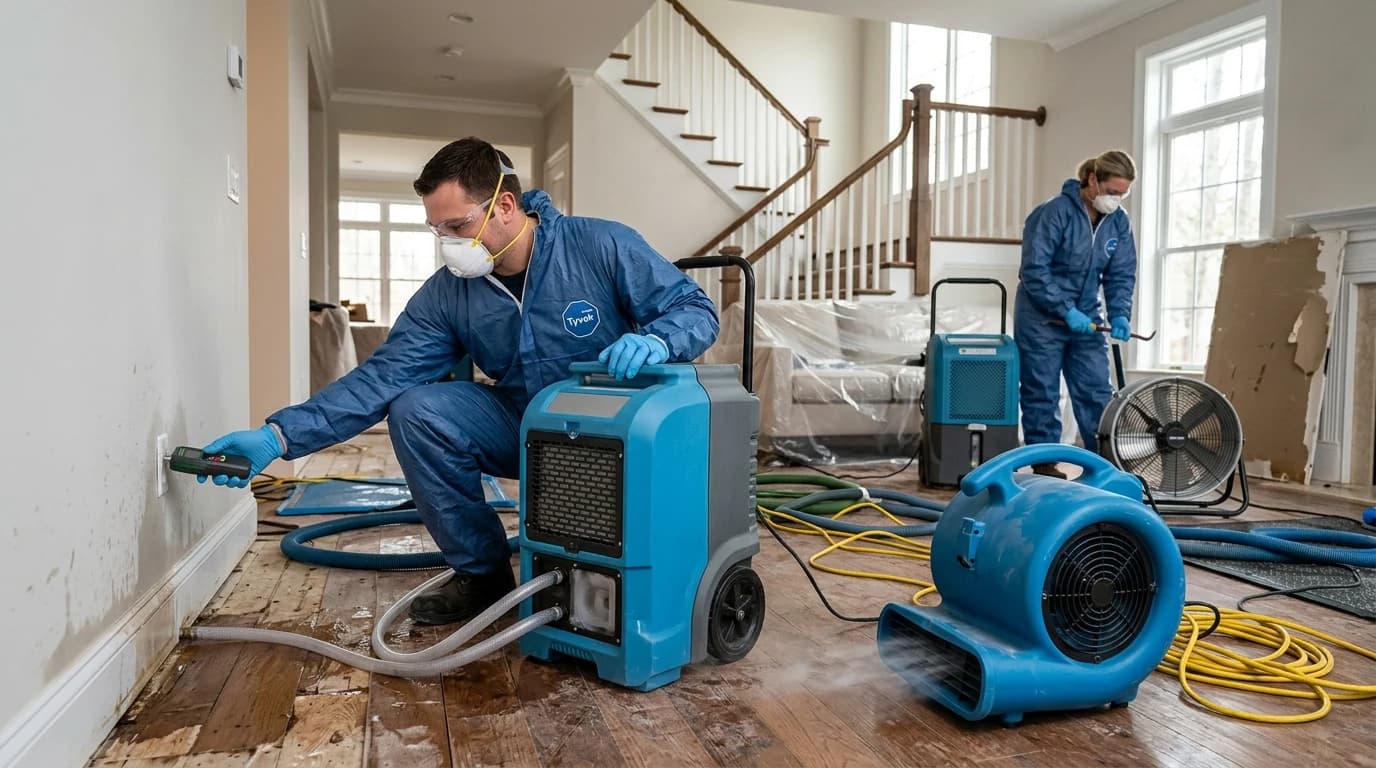
The timeline for water damage restoration largely depends on the extent of the damage, the size of the affected area, and the type of materials involved. For instance, a small leak affecting a single room will typically take less time to address than widespread water damage throughout a multi-story home. In Saddle River, seasonal weather conditions can also impact the process, as humidity levels affect drying times. Swift action and professional assessment are crucial to accurately estimate the restoration timeline.
Additionally, the source of the water plays a significant role. Clean water from a broken pipe is easier and faster to manage than contaminated water from a sewage backup, which requires more extensive cleaning and sanitization. The materials affected, such as carpeting, drywall, or hardwood floors, also determine the complexity and duration of the restoration. Carpets may need to be replaced if not dried quickly, while hardwood floors might warp if exposed to moisture for too long.
Furthermore, the level of preparation and the presence of a comprehensive emergency plan can greatly influence the speed of restoration. Homes that have quick access to their shutoff valves and have emergency contacts readily available can reduce the initial response time, preventing further damage. Engaging a professional restoration team early can help mitigate these factors, as they bring expertise and specialized equipment that can significantly reduce the time needed for each stage of the process.
Additionally, the source of the water plays a significant role. Clean water from a broken pipe is easier and faster to manage than contaminated water from a sewage backup, which requires more extensive cleaning and sanitization. The materials affected, such as carpeting, drywall, or hardwood floors, also determine the complexity and duration of the restoration. Carpets may need to be replaced if not dried quickly, while hardwood floors might warp if exposed to moisture for too long.
Furthermore, the level of preparation and the presence of a comprehensive emergency plan can greatly influence the speed of restoration. Homes that have quick access to their shutoff valves and have emergency contacts readily available can reduce the initial response time, preventing further damage. Engaging a professional restoration team early can help mitigate these factors, as they bring expertise and specialized equipment that can significantly reduce the time needed for each stage of the process.
What are the main stages of water damage restoration?
Water damage restoration involves several key stages: assessment, water removal, drying and dehumidification, cleaning and sanitizing, and restoration. Each stage is critical and must be executed meticulously for effective recovery.
1. Assessment: This initial stage involves a thorough inspection to determine the extent of the damage and to develop a strategic plan. Professionals use advanced tools like moisture detectors and infrared cameras to identify hidden water and determine the best course of action. This stage typically takes a few hours to complete, depending on the size of the affected area.
2. Water Removal: Once the assessment is complete, the next step is to remove standing water using industrial-grade pumps and vacuums. The faster the water is removed, the less damage it can cause. This process can take anywhere from a few hours to a day, depending on the volume of water.
3. Drying and Dehumidification: Even after the water is removed, moisture can remain trapped in materials like wood and drywall. High-powered air movers and dehumidifiers are used to dry these materials thoroughly. This stage can take several days, especially if the damage is extensive. Monitoring equipment is often used to track the progress, ensuring that all areas are completely dry.
4. Cleaning and Sanitizing: Once everything is dry, the affected areas need to be cleaned and sanitized to remove any potential contaminants and prevent mold growth. This involves using specialized cleaning solutions that can kill bacteria and other pathogens. This stage also includes deodorizing to eliminate any musty odors.
5. Restoration: The final stage involves repairing or replacing damaged structures and returning the home to its pre-damage condition. This may include minor repairs like drywall patching or major renovations such as rebuilding entire rooms. The duration of this stage can vary widely, depending on the extent of the damage and the availability of materials.
For detailed restoration services, explore our service offerings.
1. Assessment: This initial stage involves a thorough inspection to determine the extent of the damage and to develop a strategic plan. Professionals use advanced tools like moisture detectors and infrared cameras to identify hidden water and determine the best course of action. This stage typically takes a few hours to complete, depending on the size of the affected area.
2. Water Removal: Once the assessment is complete, the next step is to remove standing water using industrial-grade pumps and vacuums. The faster the water is removed, the less damage it can cause. This process can take anywhere from a few hours to a day, depending on the volume of water.
3. Drying and Dehumidification: Even after the water is removed, moisture can remain trapped in materials like wood and drywall. High-powered air movers and dehumidifiers are used to dry these materials thoroughly. This stage can take several days, especially if the damage is extensive. Monitoring equipment is often used to track the progress, ensuring that all areas are completely dry.
4. Cleaning and Sanitizing: Once everything is dry, the affected areas need to be cleaned and sanitized to remove any potential contaminants and prevent mold growth. This involves using specialized cleaning solutions that can kill bacteria and other pathogens. This stage also includes deodorizing to eliminate any musty odors.
5. Restoration: The final stage involves repairing or replacing damaged structures and returning the home to its pre-damage condition. This may include minor repairs like drywall patching or major renovations such as rebuilding entire rooms. The duration of this stage can vary widely, depending on the extent of the damage and the availability of materials.
For detailed restoration services, explore our service offerings.
How can homeowners expedite the restoration process?
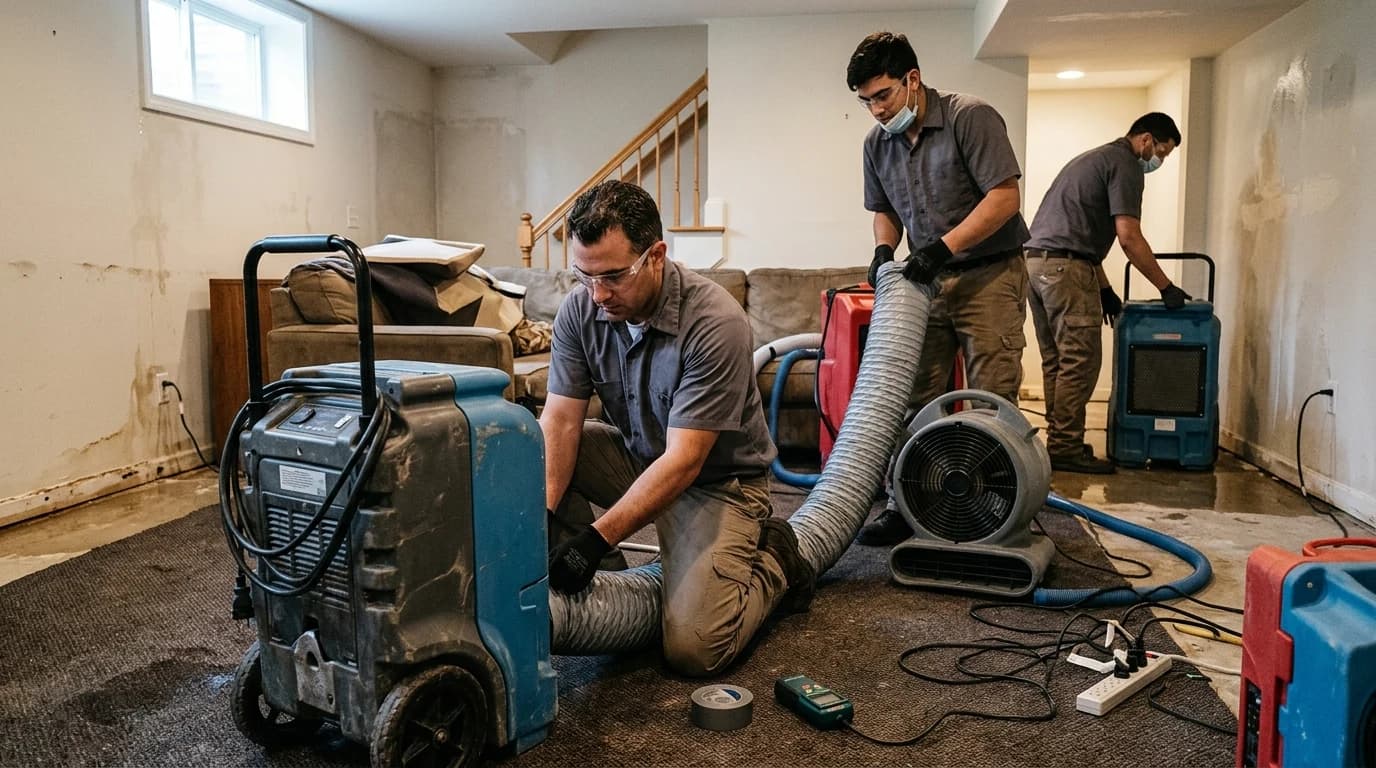
Homeowners can aid in speeding up the restoration process by promptly addressing any leaks or water intrusion issues. Immediate removal of excess water and clearing the affected area of furniture and personal belongings can also help. Ensuring good ventilation in the affected areas can aid in faster drying.
Moreover, homeowners should document the damage immediately through photos and videos, which can be useful for insurance claims and assessing the full scope of the damage. This documentation can also assist restoration professionals in understanding the initial state of the damage.
Engaging a reputable restoration company with experience in handling such situations in NJ will ensure that the process is as efficient and thorough as possible. Experienced professionals are familiar with local building codes and insurance requirements, which can streamline approvals and claims processes.
Additionally, homeowners can maintain regular communication with their restoration team to stay informed about progress and any potential delays. Being proactive in following up on insurance claims and approvals can also prevent unnecessary hold-ups.
Finally, preparing for potential future incidents by installing water leak detectors and automatic shutoff valves can prevent extensive damage, thereby reducing the time needed for any future restoration efforts.
Moreover, homeowners should document the damage immediately through photos and videos, which can be useful for insurance claims and assessing the full scope of the damage. This documentation can also assist restoration professionals in understanding the initial state of the damage.
Engaging a reputable restoration company with experience in handling such situations in NJ will ensure that the process is as efficient and thorough as possible. Experienced professionals are familiar with local building codes and insurance requirements, which can streamline approvals and claims processes.
Additionally, homeowners can maintain regular communication with their restoration team to stay informed about progress and any potential delays. Being proactive in following up on insurance claims and approvals can also prevent unnecessary hold-ups.
Finally, preparing for potential future incidents by installing water leak detectors and automatic shutoff valves can prevent extensive damage, thereby reducing the time needed for any future restoration efforts.
Why Professional Equipment Matters in Restoration
The effectiveness and speed of water damage restoration heavily rely on the quality and type of equipment used by professionals. Advanced tools are essential for efficiently managing each stage of the process, from water extraction to drying and dehumidification. High-capacity pumps and vacuums are crucial for quickly removing large volumes of water, minimizing the risk of further damage. These tools allow for rapid action, which is vital in preventing mold growth and structural issues.
Once the bulk of the water is removed, industrial-grade air movers and dehumidifiers play a critical role in the drying phase. These machines are designed to handle large spaces and can significantly reduce the time needed to reach optimal dryness levels. They work by circulating air at high speeds and extracting moisture from the air and materials, ensuring that hidden moisture pockets are addressed. This thorough drying is essential to prevent long-term damage and health risks associated with mold.
Furthermore, professional restoration companies often use specialized cleaning agents and sanitizers that are not available to the general public. These products are designed to eliminate bacteria and other pathogens effectively, ensuring that the affected areas are safe and hygienic. The combination of advanced equipment and specialized products enables professionals to restore homes efficiently and thoroughly, providing peace of mind to homeowners dealing with water damage.
Once the bulk of the water is removed, industrial-grade air movers and dehumidifiers play a critical role in the drying phase. These machines are designed to handle large spaces and can significantly reduce the time needed to reach optimal dryness levels. They work by circulating air at high speeds and extracting moisture from the air and materials, ensuring that hidden moisture pockets are addressed. This thorough drying is essential to prevent long-term damage and health risks associated with mold.
Furthermore, professional restoration companies often use specialized cleaning agents and sanitizers that are not available to the general public. These products are designed to eliminate bacteria and other pathogens effectively, ensuring that the affected areas are safe and hygienic. The combination of advanced equipment and specialized products enables professionals to restore homes efficiently and thoroughly, providing peace of mind to homeowners dealing with water damage.
Understanding Insurance and Restoration Costs
Navigating insurance claims and understanding the costs associated with water damage restoration can be daunting for homeowners. It's crucial to know what your insurance policy covers and to communicate effectively with your insurance company to ensure a smooth claims process. Most standard homeowner's insurance policies cover sudden and accidental water damage, such as burst pipes, but may not cover damage due to neglect or gradual leaks.
Begin by reviewing your policy to understand the specifics of your coverage. Documenting the damage thoroughly with photographs and detailed notes can support your claim and expedite the process. It's advisable to contact your insurance provider immediately after discovering water damage to initiate the claim process and receive guidance on the next steps.
Understanding the potential costs involved in restoration is also important. The expenses can vary based on the extent of the damage, the materials affected, and the labor required. Requesting estimates from multiple restoration companies can help you get a sense of the expected costs and choose a provider that offers both quality service and competitive pricing. Remember that while cost is an important factor, the expertise and reliability of the restoration team are paramount to a successful recovery.
By being proactive about insurance and cost management, homeowners can mitigate financial stress and focus on restoring their homes to a safe and livable condition efficiently.
Begin by reviewing your policy to understand the specifics of your coverage. Documenting the damage thoroughly with photographs and detailed notes can support your claim and expedite the process. It's advisable to contact your insurance provider immediately after discovering water damage to initiate the claim process and receive guidance on the next steps.
Understanding the potential costs involved in restoration is also important. The expenses can vary based on the extent of the damage, the materials affected, and the labor required. Requesting estimates from multiple restoration companies can help you get a sense of the expected costs and choose a provider that offers both quality service and competitive pricing. Remember that while cost is an important factor, the expertise and reliability of the restoration team are paramount to a successful recovery.
By being proactive about insurance and cost management, homeowners can mitigate financial stress and focus on restoring their homes to a safe and livable condition efficiently.